Physiotherapy Services

Women's Health Physiotherapy in Dhanori, Pune: Pre-Natal, Post-Natal and Core Strength Programmes

Bone and spine advanced - Physiotherapy Clinic8

Women’s health physiotherapy addresses pelvic floor strength, core stability and musculoskeletal changes during and after pregnancy. Dr. Nikita Thool at BONE & SPINE Advanced Physiotherapy Clinic in Dhanori, Pune offers guided Pilates, pre-natal exercise therapy and structured post-delivery rehabilitation for new mothers.

Why Women’s Physiotherapy Is Still Under-Discussed in India

Many women in Pune manage postpartum back pain, core weakness and pelvic discomfort for months after delivery, assuming it is simply part of recovery. A 2022 study in the Journal of Physical Therapy Science found that over 65% of women who received structured postpartum physiotherapy reported significantly better functional recovery within 8 weeks compared to those who did not.

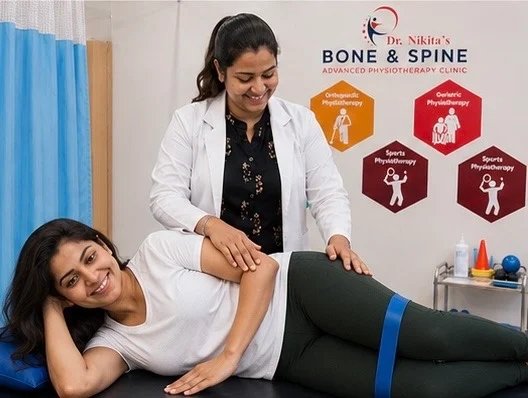
Dr. Nikita Thool offers a safe, clinically guided programme for women at every stage, from pregnancy to post-delivery recovery and beyond, including Pilates-based core strengthening for general health and weight management.

Women’s Health Services Offered

Responsive Women's Health Services Table
Service Who It Is For
Pre-Natal Exercise Therapy Pregnant women at any trimester who want to stay active safely and reduce pregnancy-related pain
Post-Natal Rehabilitation New mothers dealing with back pain, abdominal muscle separation or pelvic floor weakness after delivery
Pilates for Core Strengthening Women looking to build deep abdominal strength, improve posture and reduce waist size through controlled exercise
Weight Management through Pilates Women who prefer low-impact structured exercise over high-intensity gym workouts for sustainable fitness

What Changes in the Body During and After Pregnancy?

Pregnancy places significant demand on the musculoskeletal system. Common physiological changes include:

The hormone relaxin loosens ligaments, increasing joint instability particularly in the pelvis and lower back
The growing uterus shifts the body's centre of gravity, stressing the lumbar spine
Abdominal muscles often separate at the midline, a condition known as diastasis recti
Pelvic floor muscles stretch under the weight of the growing baby, sometimes causing weakness or incontinence post-delivery
bg1-ss2-h1
img-2-h2

What Is Pilates and Why Does It Work for Core and Weight Goals?

Pilates is a low-impact exercise system that targets the deep stabilising muscles of the trunk including the transversus abdominis, multifidus and pelvic floor. Unlike gym-based core workouts that focus on surface-level muscles, Pilates builds from the inside out. Consistent practice over 8 to 12 weeks is shown to reduce waist circumference and improve postural alignment in women who exercise 3 times per week.

Is Physiotherapy Safe During Pregnancy?

Yes, when conducted by a qualified physiotherapist who understands obstetric contraindications. Dr. Nikita Thool adapts all exercises to the trimester and the individual’s fitness baseline. Exercises that put direct pressure on the abdomen or raise the risk of falling are excluded entirely. The programme focuses on breathing, pelvic stability and gentle strengthening.

FAQ

Frequently Asked Questions​

Most women can begin gentle pelvic floor exercises within 24 to 48 hours of a normal vaginal delivery. A formal physiotherapy assessment is usually recommended 6 to 8 weeks after delivery, once the GP has given clearance.

Pilates alone is not a high-calorie-burn activity, but it is effective for rebuilding core strength, correcting posture and improving metabolism through muscle building. Combined with moderate walking or dietary changes, Pilates supports healthy and sustainable weight loss.

Yes. Post-caesarean recovery involves additional considerations including scar tissue management and a more gradual return to abdominal loading. Dr. Nikita provides a tailored programme for mothers recovering from C-sections.

Diastasis recti is a separation of the rectus abdominis muscles along the midline, common during and after pregnancy. Physiotherapy using specific core activation exercises can reduce the gap and restore functional abdominal strength in most cases.

Please contact Dr. Nikita Thool directly at +91-99701 06002 to discuss session preferences and scheduling.